How Vanpools Help Grow Transit Ridership, Fill Gaps and Increase Efficiency
Article from Commute with Enterprise, 2025 Champion-level
ACT Corporate Partner
Transit systems nationwide continually face the challenge of providing reliable services while keeping costs low. With commuting patterns shifting due to the rise in hybrid work and job locations spreading farther from city centers, traditional fixed-route transit options often struggle to provide efficient service to their riders, especially in suburban and rural areas. Vanpooling, however, has proven to be a reliable solution for transit agencies to help expand access, improve operational performance, and reduce costs.
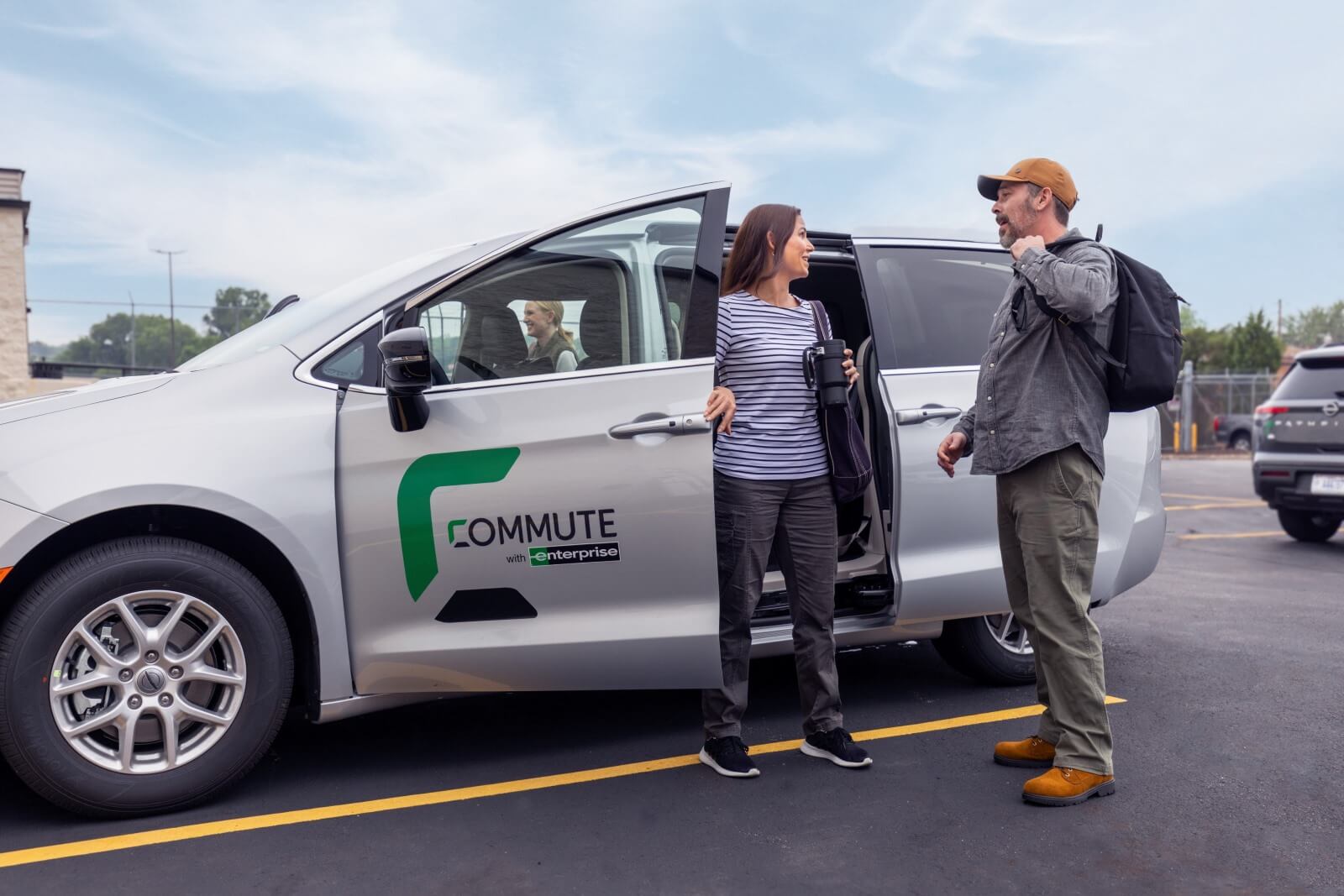
A vanpool functions like a large carpool, typically serving groups of 4–15 riders who live near each other and commute to a common workplace. Riders share driving responsibilities and costs, making vanpools a true form of shared mobility. In regions like Denver, vanpools provided over 20 million passenger miles in 2025 and continue to grow, which creates critical job access connectivity.
According to FY2024 National Transit Database metrics, operating expenses for vanpools average $0.21 per passenger mile, compared to $2.15 for buses and demand-response services. This translates into a very cost-effective way to expand the reach of transit and grow ridership.
In addition, vanpool programs typically pay for themselves. Because vanpools are recognized as part of public transit under federal guidelines, they generate Federal Transit Administration (FTA) funding for local transit systems. A well-managed vanpool program often generates two to four times more FTA funding than annual program costs, making them a smart investment for expanding access to mobility without straining budgets.
Even where transit systems have already launched their own vanpool program, public-private partnerships (P3s) make these programs even more effective. Rather than transit agencies having to make significant investments in vehicles, maintenance, and administrative personnel, partnering with experienced providers like Commute with Enterprise allow agencies to streamline operations while maximizing cost efficiency. On average, P3 vanpool programs operate more than two times more efficiently according to FTA performance metrics.
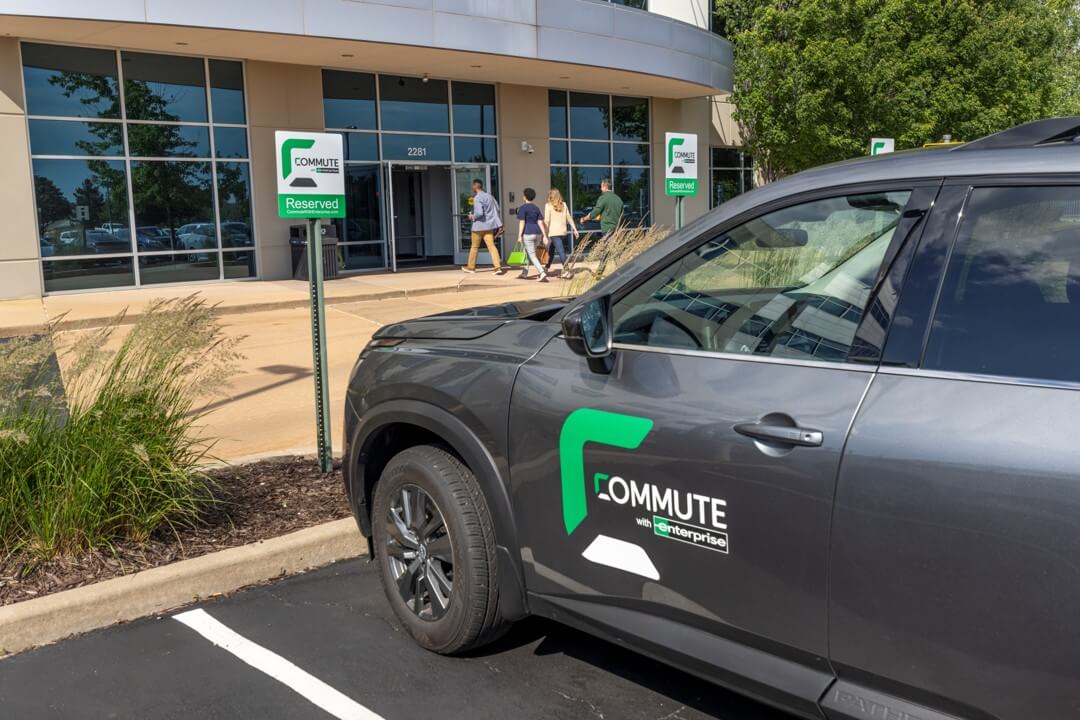
Commuter vanpools also offer a practical way to cut emissions and ease congestion while supporting employee needs and retention for local businesses. Last year, Commute with Enterprise vanpools helped eliminate more than 1.2 billion commuter miles in the U.S.[1], reduced 909 million lbs. of tailpipe CO2 emissions[2], and saved commuters $724 million[3].
Vanpooling is an impactful and efficient mobility solution for transit systems with a multimodal strategy. By partnering with providers like Commute with Enterprise, agencies can close transit gaps, improve rider experience, and increase the overall cost effectiveness of their transit systems. Learn more by visiting the Commute with Enterprise website.
Dion Beuckman is Director of Business Development & Operations at Commute with Enterprise for Enterprise Mobility, overseeing strategic growth initiatives for the organization’s vanpool operations and other commuting solutions.
Commute with Enterprise is the largest vanpool provider in the United States, eliminating more than 1.2 billion commuter miles and taking nearly 60,000 personal vehicles off the road each workday in 2024*. This alternative commuting solution offers customizable programs to help overcome transportation challenges, including job access, transit reach, congestion and pollution reduction, or financial efficiencies.
* Estimates based on 2024 Commute with Enterprise reporting. Assuming 5-day work week and participants previously drove alone. CommutewithEnterprise.com/Showmethemath
[1] Estimates based on 2024 Commute with Enterprise reporting. Assuming 5-day work week and participants previously drove alone. CommutewithEnterprise.com/Showmethemath
[2] Estimates based on 2024 Enterprise reporting and U.S EPA Calculation of Carbon tailpipe emissions. Assumes 5-day work week and participants previously drove alone. CommutewithEnterprise.com/Showmethemath
[3] Estimates based on 2024 Commute with Enterprise reporting, an average 5-day/ week commute and 2024 AAA cost associated with operating a vehicle including fuel, maintenance, and depreciation. CommutewithEnterprise.com/Showmethemath