Regional Programs Scale Services. Local Organizations Scale Trust.
Regional TDM programs have never been stronger. Shared technology platforms, commuter incentives, unified branding, regional marketing, data, and reporting have elevated what our industry can offer at scale. Those investments have made our work more consistent, more efficient, and more accessible—and they've raised the bar for all of us.
However, the biggest opportunity isn't necessarily these regional frameworks themselves, but rather in what those frameworks allow local organizations to do.
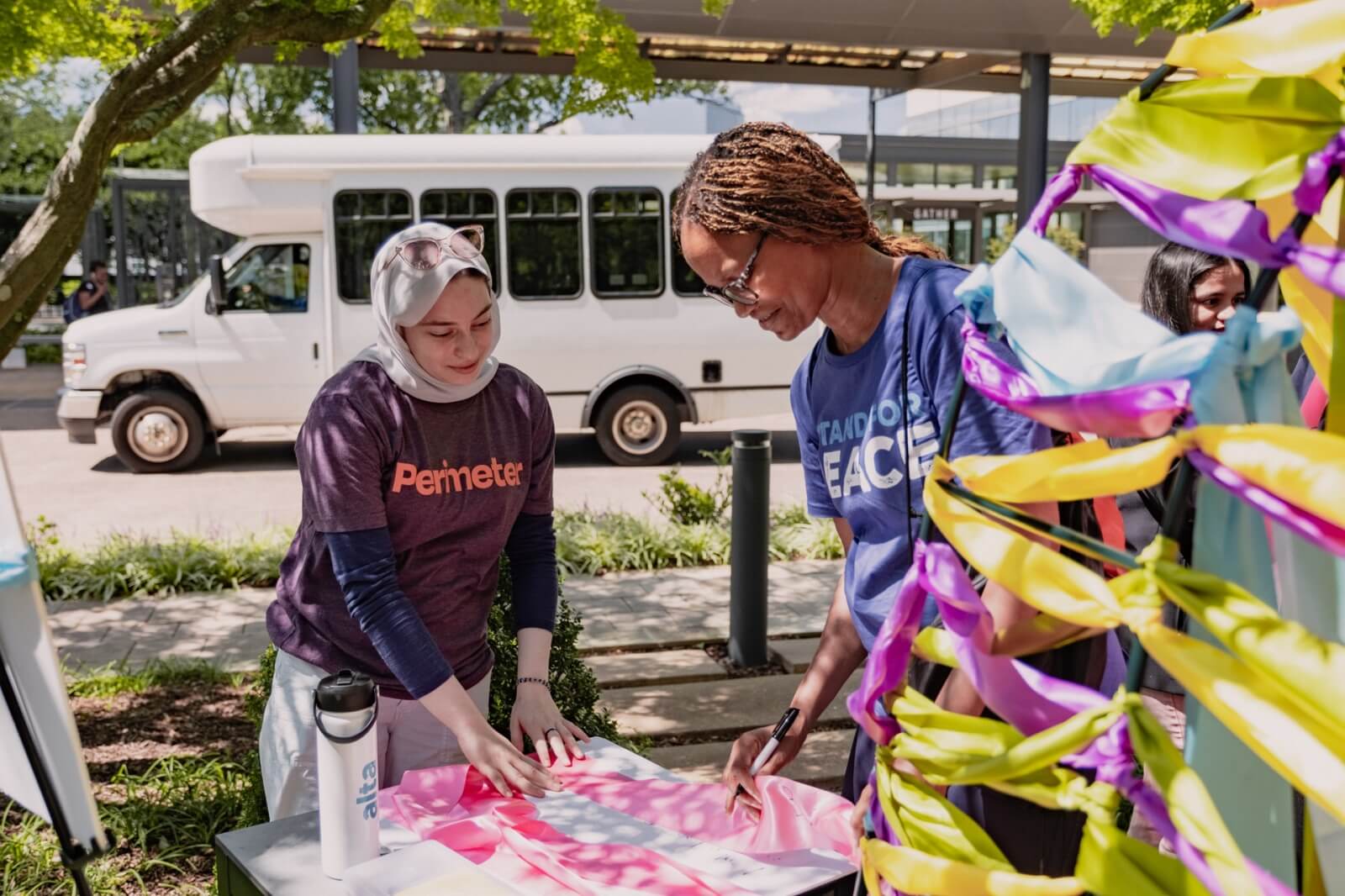
As TDM professionals, many of us have watched employers' needs evolve alongside our own programs. Employers rarely come looking for a commuter platform or Transportation Demand Management program. More often, they're trying to solve a broader business challenge: managing parking demand, supporting a return-to-office strategy, selecting a new office location, preparing for a major event, or navigating the impacts of construction and growth. Transportation isn't usually the end goal—it's one lever among many for solving a much larger problem.
While regional programs have become incredibly effective at building the infrastructure our industry depends on, local organizations are uniquely positioned to help employers with practical application and implementation. Rather than focusing primarily on delivering services or promoting tools, local organizations increasingly create value by translating regional resources into practical solutions that fit the realities of a specific employer, business district, or community.
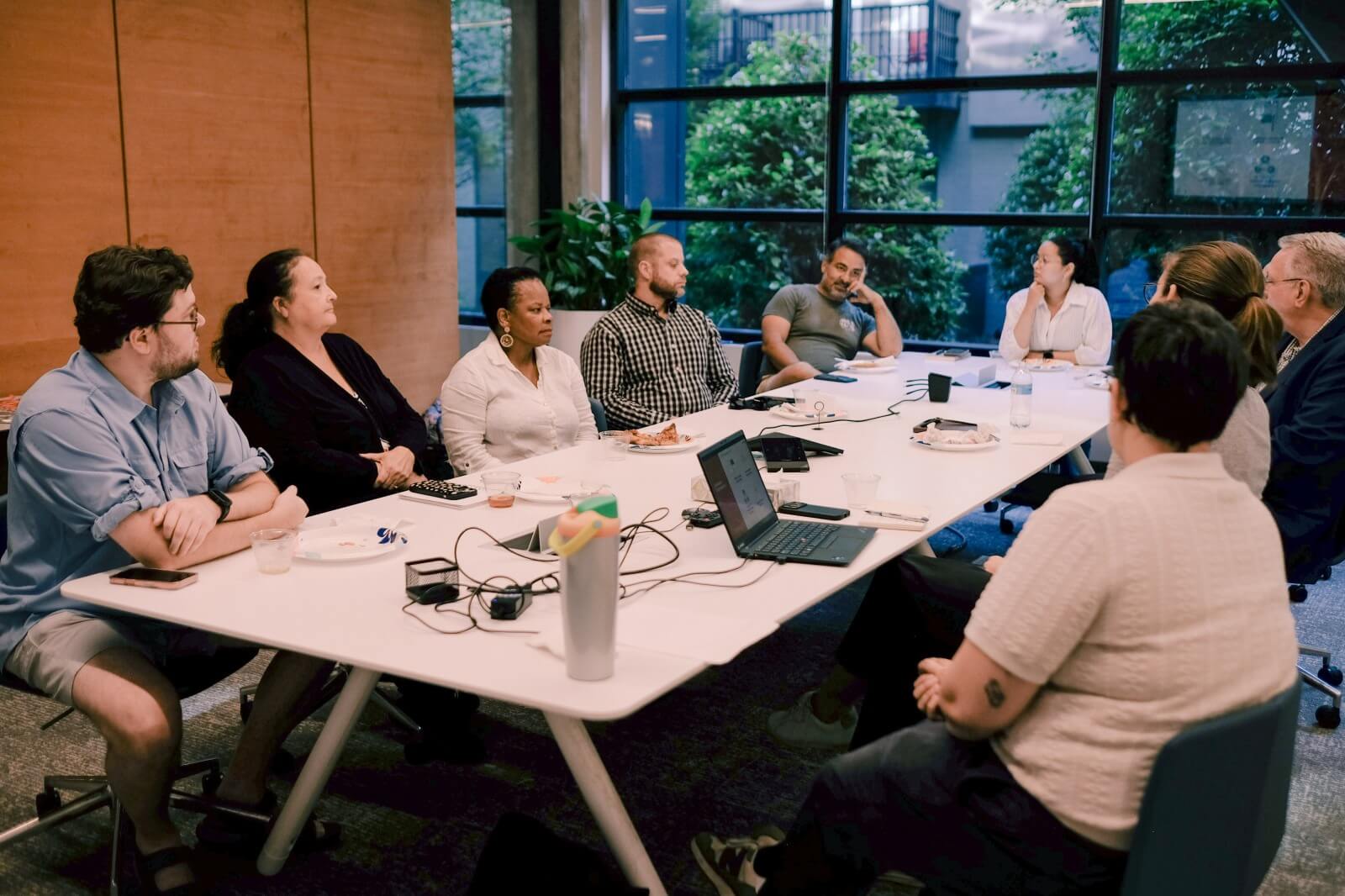
Whether it's a TMA, TMO, business improvement district, or another place-based partnership, local organizations bring context that can't easily be centralized. They understand local development patterns, transportation networks, employer priorities, and the relationships that shape decision-making. They're often invited into conversations long before transportation becomes the primary topic, not because they're promoting a commute benefit, but because they're trusted partners helping organizations solve complex challenges.
To me, that's one of the most exciting trends in our industry. As regional programs continue to strengthen the foundation of TDM, local organizations have an opportunity to become even more strategic. The conversation shifts from administering programs to advising employers. From simply promoting services to proactively solving complex problems.
The strength of our industry has never been choosing between regional coordination and local delivery- it's recognizing that they complement one another. Regional programs provide the scale, consistency, and infrastructure that make today’s TDM possible. Local organizations provide the relationships, local knowledge, and trusted guidance that turn those investments into meaningful outcomes.
It's encouraging to see more regions leaning into and sharpening this delivery model. The stronger our regional infrastructure becomes, the greater the opportunity for local organizations to focus on what they do best- building trust, understanding community needs, and helping employers navigate transportation as part of a broader business strategy.
Member article by Katie Marticke, TDM-CP.