Beyond Parking: How Park and Ride and Last Mile Services Improve Venue Mobility
Large sports and entertainment venues commonly experience periods of intense traffic demand that exceed local roadway capacity. As parking constraints increase and construction or land use changes reduce on site availability, Park and Ride systems have becomean important TDM tool to manage travel demand and reduce vehicle volumes near event sites.
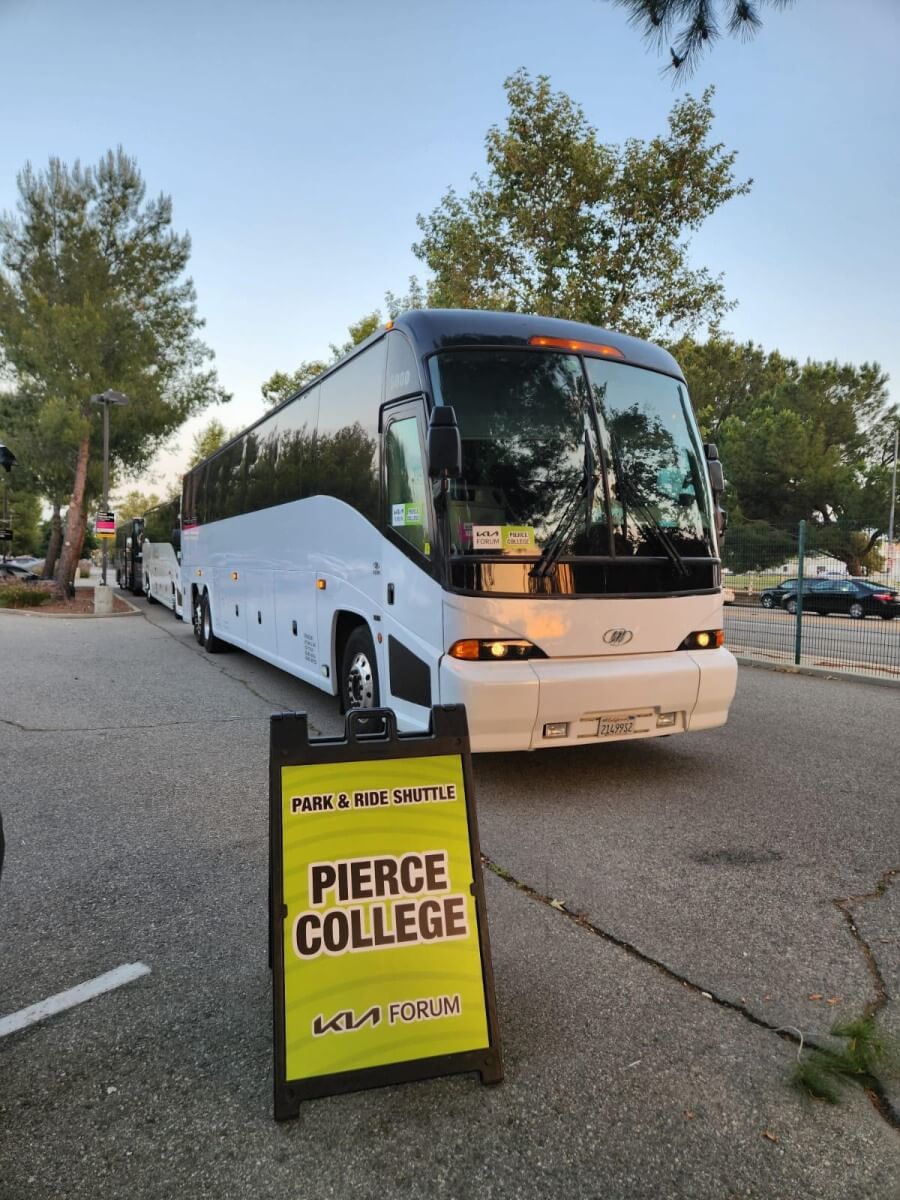
A Park and Ride program shifts private vehicle arrivals away from the immediate venue area by intercepting trips at designated satellite lots. When supported by reliable shuttle operations and clear guest communication, these systems reduce congestion on surrounding arterials and preserve a more consistent arrival experience for attendees. Selecting the right locations, however, is essential. Historical ticket buyer ZIP code data is one of the most effective tools for identifying where attendees actually originate. When analyzed at the corridor level, these datasets reveal natural clustering and allow planners to place Park and Ride sites where they will intercept the highest share of private vehicle trips. This also ensures the system reflects real demand rather than anecdotal assumptions.
Transit access is another key consideration. Many regional venues draw attendees from areas with limited fixed-route transit, and locating Park and Ride hubs within these “transit deserts” provides an alternative to driving the full distance. Well-lit, secure parking sites with nearby highway access tend to generate the strongest adoption and improve reliability for both inbound and outbound shuttle operations.
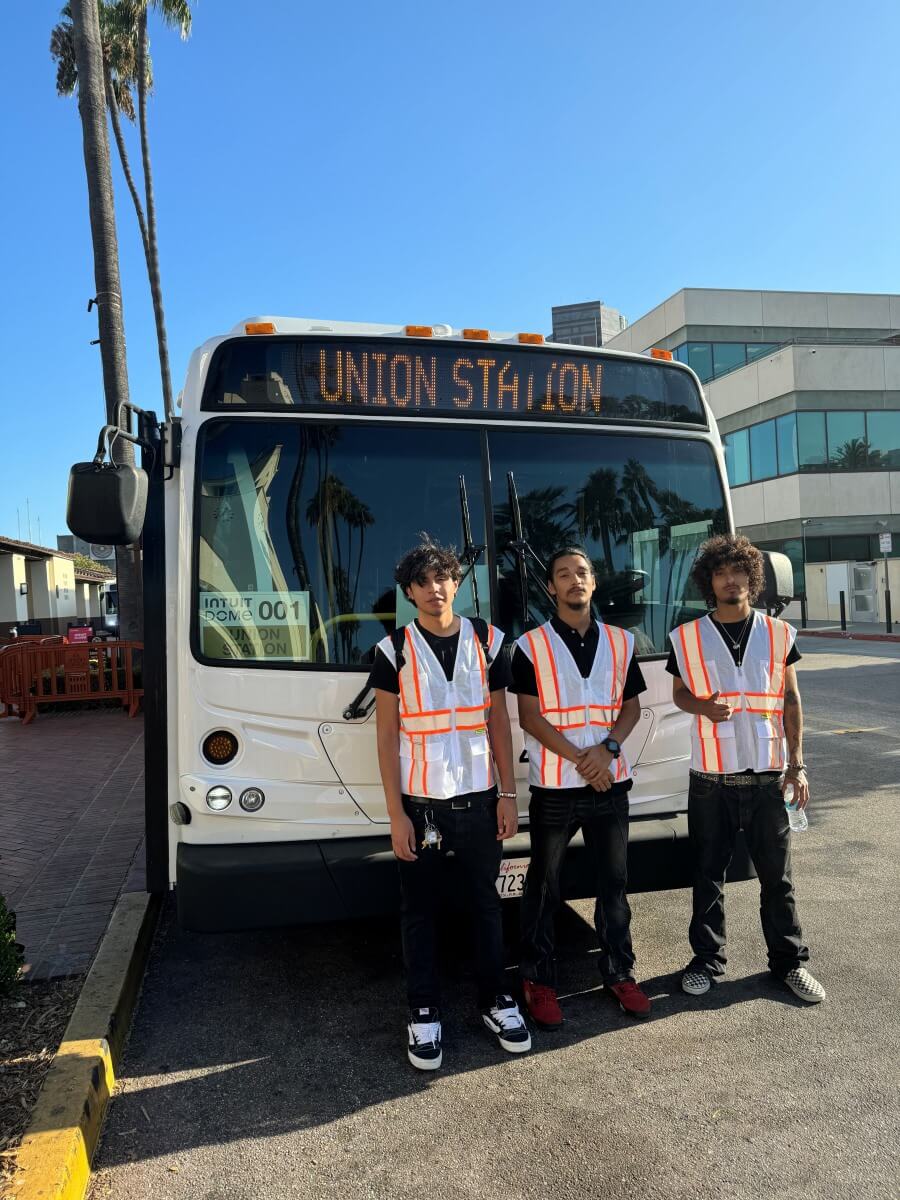
Park and Ride is most effective when paired with strong Last Mile options. Many guests prefer to take commuter rail, subway, or regional bus services for the majority of their trip but face a final two- to three-mile gap between the station and the event. Dedicated last-mile shuttles, operating on predictable schedules or short headways, allow venues to capitalize on existing regional transit capacity. By providing a direct, uncomplicated transfer, these systems can meaningfully reduce rideshare activity and further reduce private vehicle approaches.
Behavior also plays a role. Even a well-designed system benefits from modest guest incentives. Small giveaways, concession vouchers, or bundled event ticket and shuttle passes can encourage first-time use and help establish new patterns of behavior. As adoption increases, shuttle loads become more predictable, enabling more efficient scheduling and staffing.
Across these strategies, the most consistent benefits include reduced traffic near the venue and minimized stress for guests who prefer to avoid navigating congested event districts. When implemented with consistent operations and data-informed site selection, Park and Ride and last mile services provide a scalable TDM framework that meets both operational and guest-experience goals.
Article by Greg Carter, TDM-CP of Transportation Management Services (TMS).