Looking Back at 2025 Thought Leadership
ACT members had a lot to write about this year, and we're excited to share their pieces! From fresh perspectives on emerging trends to real-world insights drawn from their daily work, these thought leadership pieces showcase the creativity, curiosity, and passion ACT members bring to the TDM field.
Each piece offers ideas you can use, questions worth asking, and inspiration to keep pushing our work forward. Check them out below to bring their great ideas and insights into 2026!
6 TDM Trends for 2025
Elizabeth Bastian, TDM-CP | January
 Less than a month into the new year and the winds of change are already a' blowing into the transportation sector. Based on recent data & industry insights, here are 6 trends I am keeping my eye on in 2025.
Good-bye to RTO?
2025 may be the year where we get to bid “return to office” adieu – or is it?
A third of US employers currently require full-time in-office work, but that will likely increase with large employers like Amazon and JP Morgan Chase permanently ending remote work. Office attendance (as measured by building occupancy data) has stabilized at around 50% of pre-pandemic levels for nearly two...
Modern Commuter Benefits
Jeff Stade, Jawnt | January

Even with many employees continuing to work from home, 15% of all trips undertaken in the US are for commuting. Commute trips concentrate around peak times and places, giving employers ample incentive to shift demand away from driving and towards more efficient uses of time, money, and land.
Commuter benefits have reliably shifted drivers towards transit for decades. If provided by their employer, employees can choose to withhold some of their income for use on transportation before it is taxed (a 25-30% discount). In 2025, these benefit withholdings were allowed at up to $325 per month for transit+vanpool combined. In urban areas with reliable transit and costly parking, as many as 83% of...
Life Lessons from Dr. Donald Shoup
Jessica Alba and Lauren Mattern | February
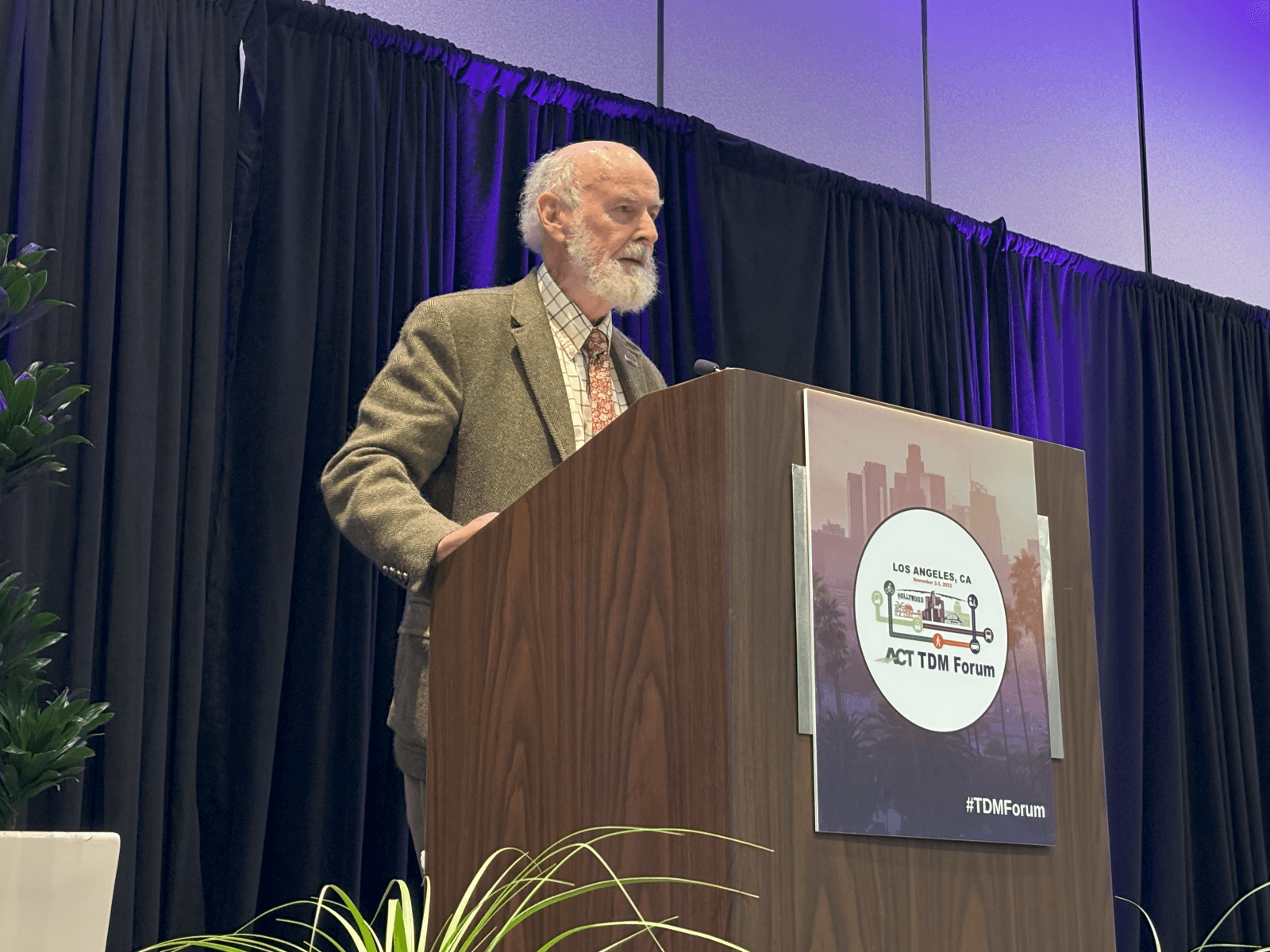
Losing Dr. Donald Shoup in our industry in early February has been surprisingly hard. He’d clearly led a long and full life but somehow still had a youthful and always-evolving energy that tricked you into thinking he was invincible. I suppose that’s because his ideas are invincible.
His work was central to the effectiveness of the TDM practice. He of course championed the parking policies at the heart of demand management and positioned parking management as perhaps one of the most critical elements of a TDM plan. Reducing parking supply, unbundling parking costs, and market-rate parking pricing rank among some of our most effective industry tools - all concepts Shoup best articulated for us. In our early work on TDM and parking projects, it was Shoup’s data that pushed parking into TDM plans. He amped up our mode shift gains: his reforms were the perfect complement to strategies that boost walking...
Intuit Expands Commuter Benefits Program in Toronto
Tom Harrington | March
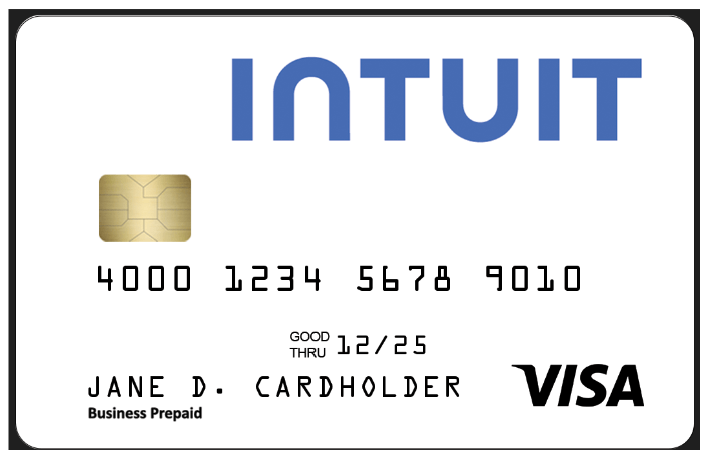
Commuter tax benefits are an essential TDM strategy that improves employee mobility and transportation access. Curious about the challenges and advantages of their provision? Read the article below by Tom Harrington, TDM-CP for a spotlight on an initiative from Intuit's Eastern Canada office. In this piece, you'll learn about a targeted rollout following the office's relocation.
In August 2022, Intuit took a step towards promoting sustainable and convenient commuting by relocating our Eastern Canada office to downtown Toronto. This move paved the way for the launch of a full blown commuter benefits program in August 2024, aimed at enhancing the commuting experience for all our employees.
Benefits and Goals
The program offers employees a monthly allowance of $156 or $230, depending on their postal code, loaded onto a debit card. This allowance can be used for various commuting expenses, including transit passes, parking, bicycle purchases, and rideshares. The program's goals are multifaceted, including...
TDM as a New-Ish Parent
Billy Duss | May
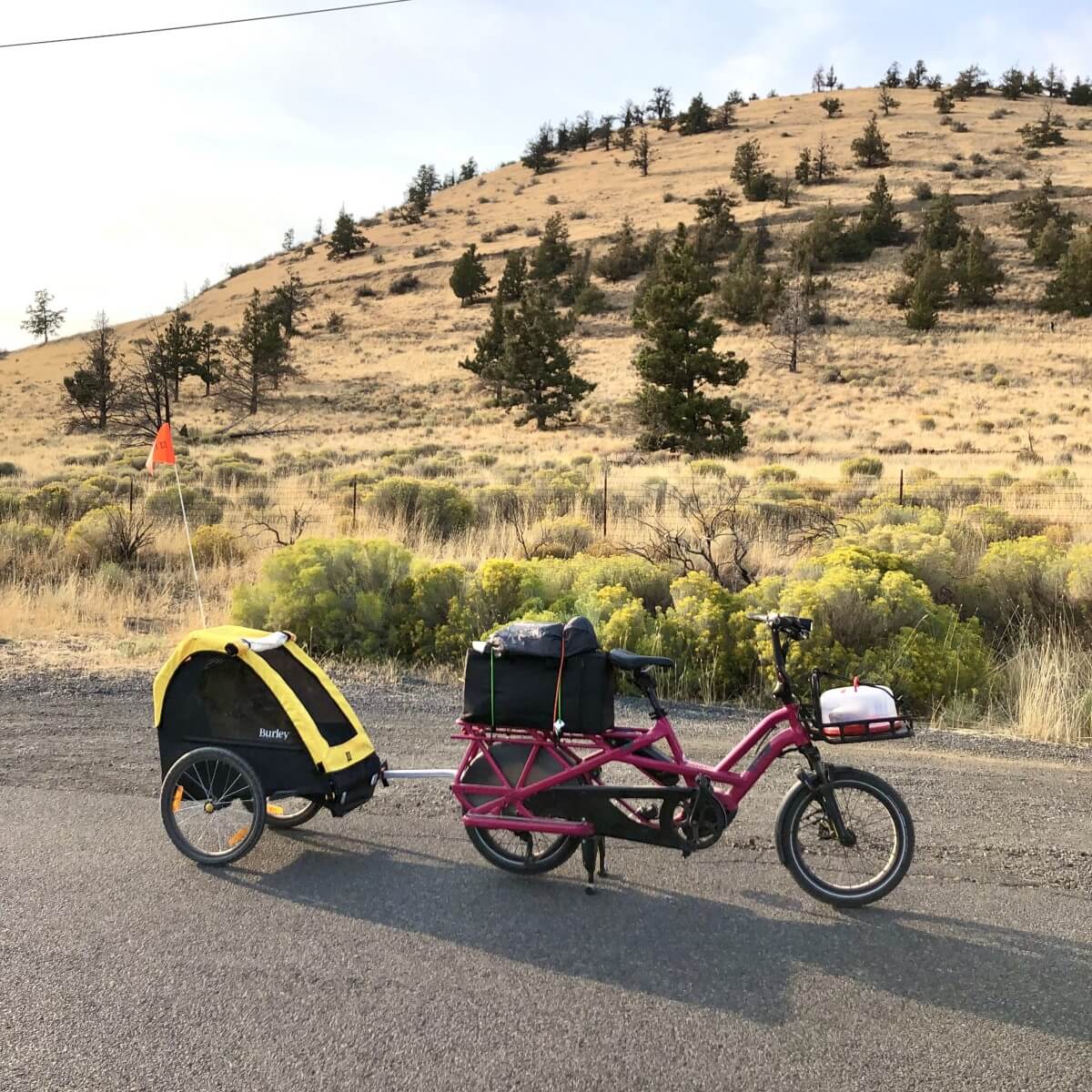 A year and half ago, my partner and I had our first child. As cliche as it is, becoming a new parent does shift your perspective on things and as I’m emerging from the sleep-deprived fog of the initial months of parenthood, it’s more clear than ever the importance that TDM work has on our communities. In no particular order, here are some observations I’ve made:
Complete Streets and connections between neighborhoods are key.
As I think about the childhood I want my son to have, I want him to feel enabled to roam and explore like I did as a kid. I grew up in a small town in Wisconsin and despite my childhood home having a Walk Score of 3/100, my childhood is filled with memories of biking to school, walking to the convenience store to get a can of Surge and a Twix Bar, and playing a game we called “bike tag” during the long summer afternoons. This was all made possible because there were sidewalks everywhere in my hometown- something that isn’t always true. It was recently revealed that up to 27% of the city of Seattle lacks sidewalks. If you can’t safely walk to the bus stop, the coffee shop, or the grocery store, you’re...
In the age of real-time mobility, who really holds the wheel?
John Andoh, Kelly Sepelyak, and Sharon Kaslassit | August
As public transit systems across the U.S. face mounting pressure to stay relevant in a world of rapid change, from shifting commuter habits to unpredictable disruptions and seasonal fluctuations, the conversation is evolving. It’s no longer just about routes and schedules. It’s about control: empowering both agencies and riders to adapt in real time to an increasingly dynamic mobility landscape.
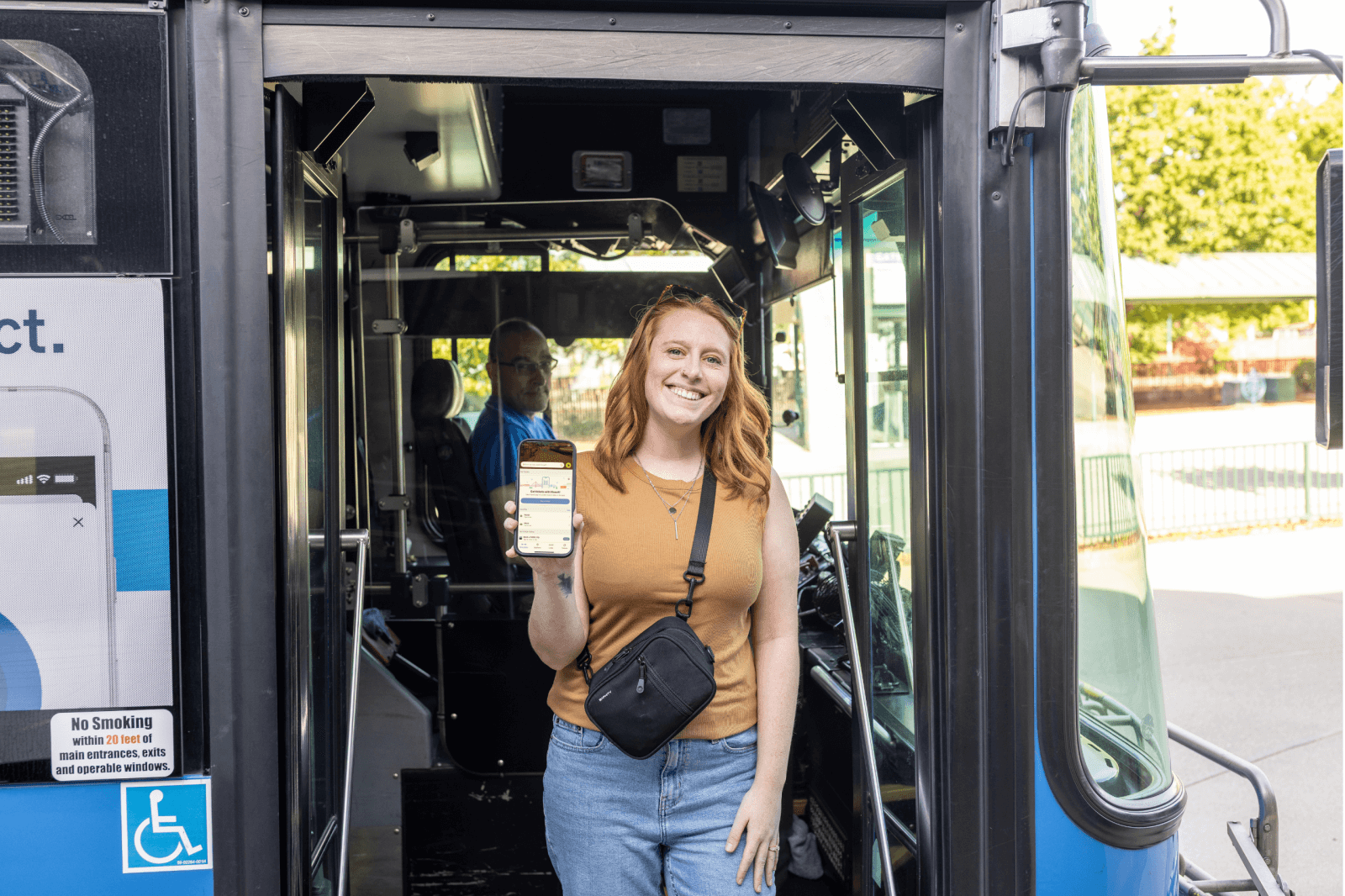
The Redding Area Bus Authority (RABA) is embracing this future. In April 2025, RABA partnered with Moovit to bring an ad-free, Mobility as a Service (MaaS) platform to riders throughout Shasta County. For RABA, this partnership is part of a larger strategy to enhance mobility management in the region. Alongside programs like travel training and the Ride Ranger ambassador initiative, the agency is investing in digital tools that remove barriers and make public transportation more accessible and...
Car Trip Rates Are Falling in European Cities — Will US Cities Follow?
Paul Curtis, Director and Ian Todreas
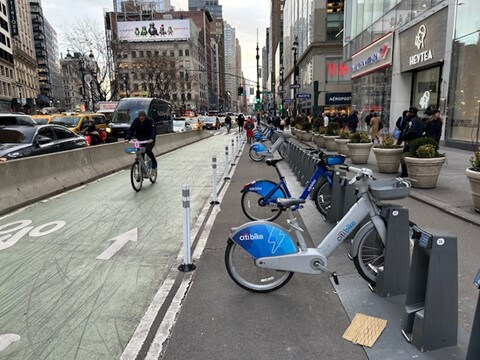
Across the US, many communities aspire to cleaner air, reduced congestion, affordable housing, and lower CO₂ emissions. These goals often feel overwhelming, but as we heard at the 2024 TDM Forum in Charlotte, NC, some US cities are making real progress. For example:
Denver, CO’s zoning code requires developers to submit and regularly comply with a TDM plan and eliminates minimum parking requirements, urging residents and employees to travel without a car.
Palm Beach County, FL, is embedding transportation demand management into its regulations to reduce drive-alone rates...
Beyond Parking: How Park and Ride and Last Mile Services Improve Venue Mobility
Greg Carter, TDM-CP
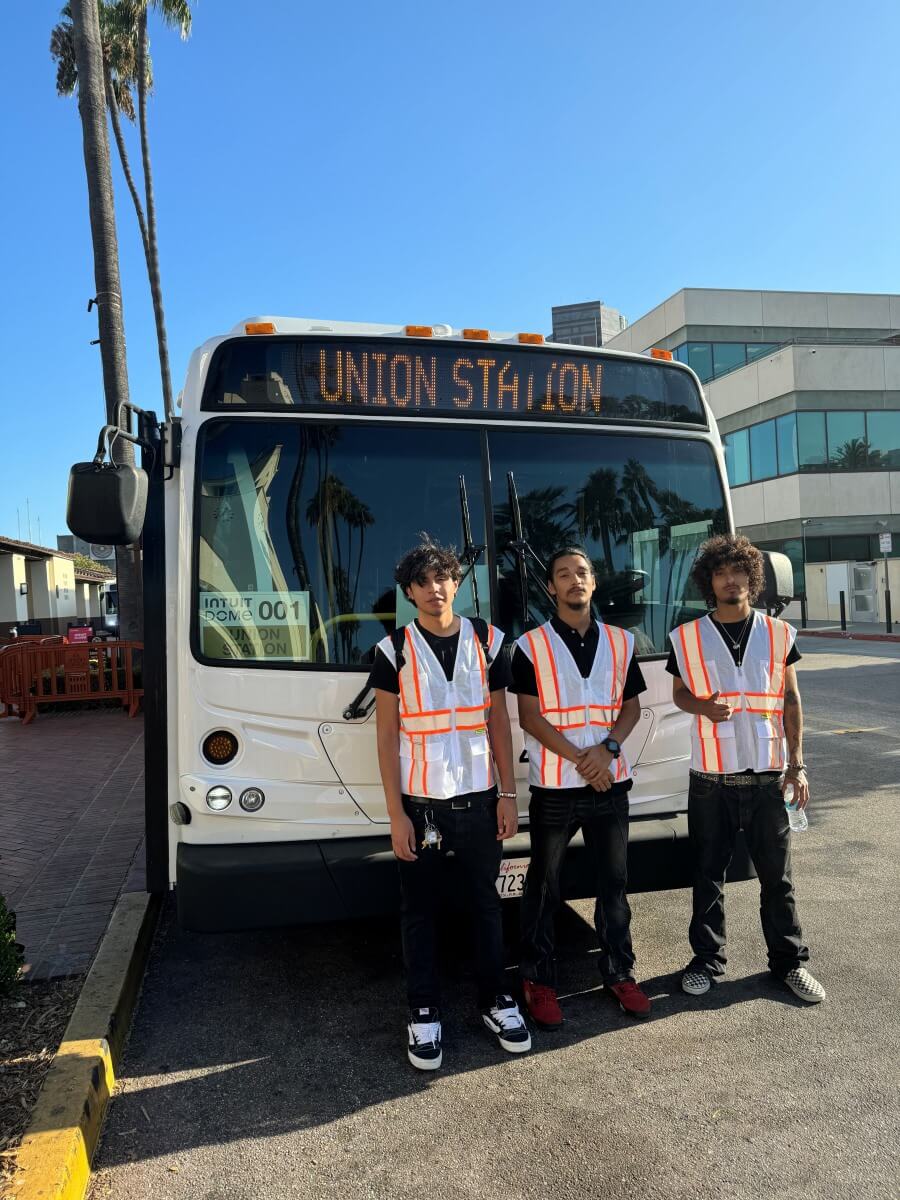
Large sports and entertainment venues commonly experience periods of intense traffic demand that exceed local roadway capacity. As parking constraints increase and construction or land use changes reduce on site availability, Park and Ride systems have become an important TDM tool to manage travel demand and reduce vehicle volumes near event sites.
A Park and Ride program shifts private vehicle arrivals away from the immediate venue area by intercepting trips at designated satellite lots. When supported by reliable shuttle operations and clear guest communication, these systems reduce congestion on surrounding arterials and preserve a more consistent arrival experience for attendees. Selecting the right locations, however, is essential. Historical ticket buyer ZIP code data is one of the most effective tools for identifying where attendees actually originate. When analyzed at the corridor level, these datasets reveal natural clustering and allow planners to place Park and Ride sites where they will intercept the highest share of private vehicle trips. This also ensures the system reflects real demand rather than anecdotal assumptions.