New Year, New Insights: Join Our First Live Panels of 2026

General News,

Start your 2026 professional development off strong

We're hitting the ground running in the new year with two exciting live sessions. If investing in your professional growth is on your 2026 priority list, you won’t want to miss the Higher Education Council’s January 15 panel or our first ACT Book Club of the year on February 4.

Check out the details below and join us there to learn, earn TDM-CP credits, and start the year with momentum!


Charging Ahead: How Arizona State University and Harvard Are Shaping Electric Micromobility on Campus
January 15, 2026 at 2 p.m. ET | Presented by the Higher Ed Council

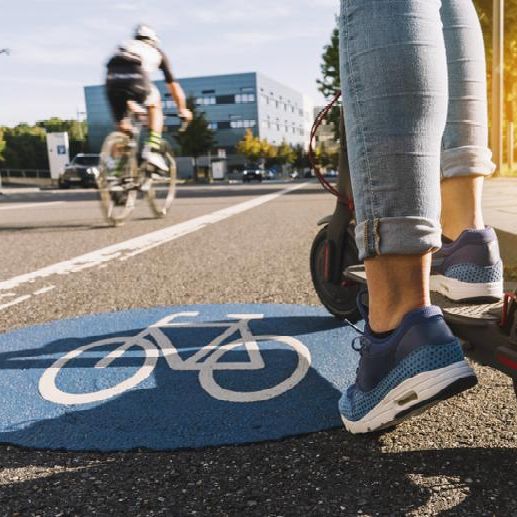
Universities are experiencing rapid growth in e-micromobility — from personal e-bikes and e-scooters to large-scale bikeshare networks — and are adapting their transportation plans and policies to keep pace. This webinar brings together two leading institutions to share how they are managing this shift toward electrified, sustainable mobility.

At Arizona State University, JC Porter, Director of Parking and Transportation Services, will discuss Arizona State University's approach to the surge in personal and shared electric mobility devices. He will outline strategies for accommodating e-bikes, e-scooters, and other micromobility options; cover safe storage options; and share how Arizona State University has integrated these devices into broader TDM policies and infrastructure planning. Attendees will gain practical insights into effective policy development, safety protocols, and on-campus operational approaches.

At Harvard University, Ben Hammer, Associate Director of the Campus Service Center, Parking and CommuterChoice, will share Harvard’s journey from launching the region’s first large-scale bike share system in 2011 to today’s electrified, data-driven Bluebikes network. He will highlight how early town-gown partnerships evolved into a robust regional system; how Harvard has embedded bikeshare into campus planning; and how shared micromobility has reshaped daily travel patterns — making biking easier, safer, and more reliable for the campus community.

Together, these case studies offer valuable takeaways for institutions seeking to enhance sustainable transportation through personal and shared micromobility, strategic partnerships, and thoughtful campus planning.

Webinar presented by ACT's Higher Education Council.

Register now


Attending qualifies for 1 TDM-CP credit.


Tech With Purpose: Rethinking Smart Cities for Better Mobility
February 4, 2026 at 2 p.m. ET | ACT Book Club meeting

Transportation systems are becoming more connected and data-driven than ever. But as cities adopt everything from mobility apps to automated enforcement and AI-powered planning tools, a core question remains: Are these solutions actually delivering better mobility outcomes for our communities?

Drawing on insights from The Smart Enough City, this Book Club session—led by guest speaker Ruth Miller from Jawnt—will explore how TDM professionals can thoughtfully navigate both the promises and the limitations of smart city technologies. Ben Green’s central argument is that cities don’t need to be the “smartest,” but rather “smart enough” to use technology responsibly, ethically, and in ways that strengthen public trust.

Together, we’ll dive into:

- The risks of over-relying on technology at the expense of proven TDM strategies

- How digital tools can support mode shift, reduce single-occupancy travel, and improve traveler experience—without compromising equity or privacy

- The role of TDM practitioners as advocates for human-centered mobility design

- Real-world case studies where well-intentioned smart mobility initiatives fell short—and what we can learn from them

- A framework for evaluating new technologies so they truly align with community goals

Whether you’re assessing a new mobility platform, crafting policy around emerging modes, or trying to balance innovation with accountability, this session will help you think more critically about technology’s role in shaping the cities—and transportation systems—we want.

The book is available to download for free from MIT!

And see Ruth’s book review of this book.

Register now


Attending qualifies for 2 TDM-CP credits.


Back to General News